

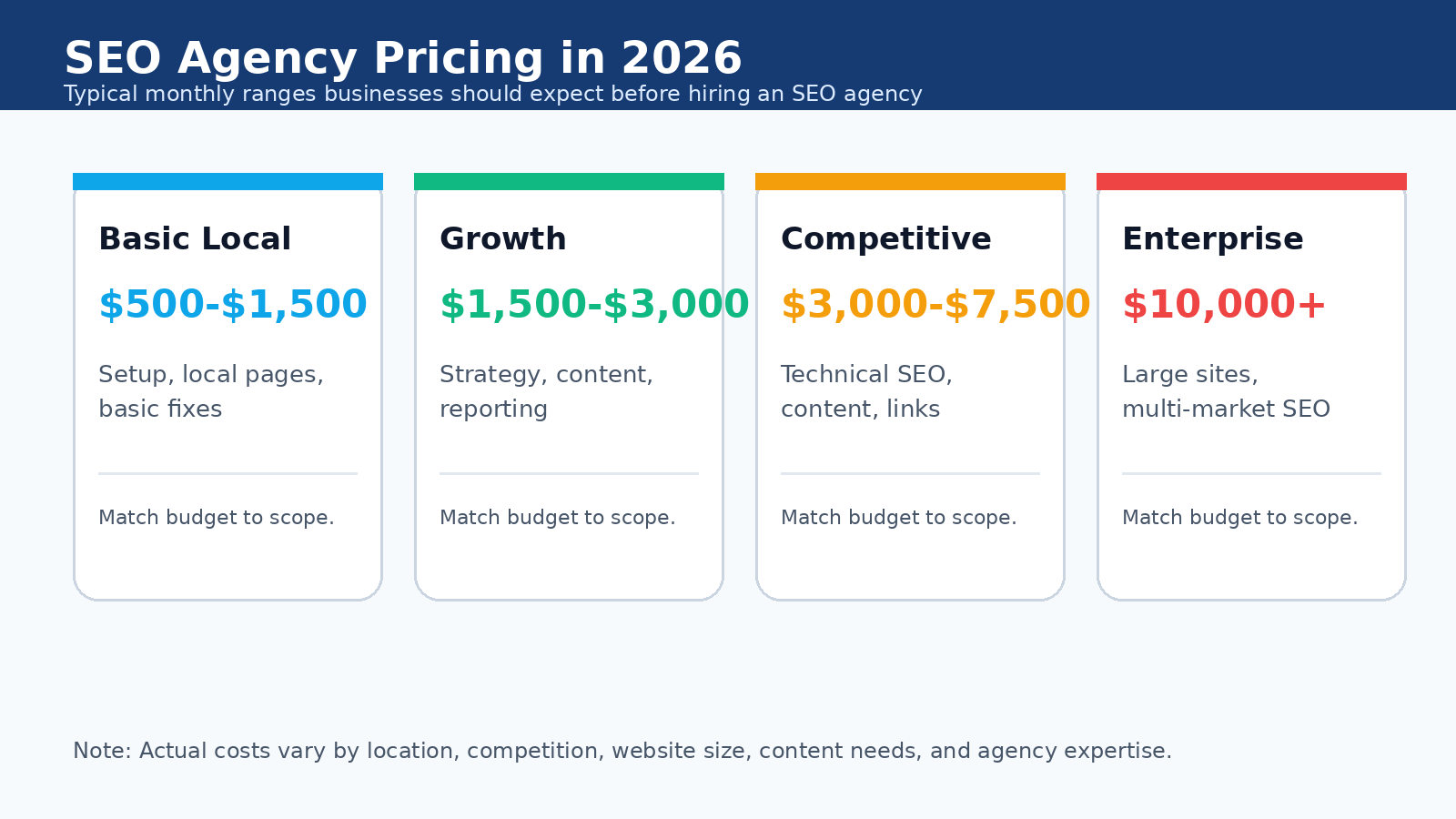
Hiring an SEO agency can be one of the best marketing decisions a business makes, but pricing is often confusing. One agency may quote $750 per month, another may recommend $3,500 per month, and an enterprise SEO provider may charge more than $10,000 per month. The difference is not always about greed or quality. It usually comes down to scope, competition, website size, content needs, technical complexity, and the level of strategy required.
The honest answer is that SEO agencies charge different prices because SEO is not one single task. A complete campaign may include keyword research, technical SEO, content planning, copywriting, on-page optimization, internal linking, digital PR, local SEO, analytics, reporting, and conversion recommendations. A small local business will not need the same level of work as a national ecommerce brand or SaaS company competing for high-value keywords.
In 2026, many common SEO retainers sit somewhere between $1,000 and $5,000 per month for small to mid-sized businesses, while competitive, ecommerce, and enterprise SEO campaigns can cost significantly more. Some agencies charge by the hour, some by project, and others use retainers or hybrid pricing. This guide explains what businesses should expect, what each pricing model means, and how to know whether an SEO quote is fair.
Quick Answer: How Much Do SEO Agencies Charge?
Most SEO agencies charge using one of three common pricing models: monthly retainers, hourly consulting, or project-based fees. The monthly retainer is the most common model because SEO requires ongoing strategy, implementation, measurement, and improvement.
| SEO Pricing Model | Typical 2026 Range | Best For |
| Monthly SEO retainer | $1,000-$5,000/month for many SMB campaigns; $5,000-$10,000+ for competitive campaigns | Businesses that need ongoing SEO growth |
| Hourly SEO consulting | $75-$250/hour in many markets; senior specialists may charge more | Audits, strategy calls, training, and troubleshooting |
| Project-based SEO | $1,500-$10,000+ depending on scope; large migrations can cost more | One-time audits, migrations, content plans, or technical fixes |
| Enterprise SEO | $10,000-$50,000+/month | Large websites, multi-location brands, international SEO, ecommerce, and SaaS |
These ranges are not guarantees. They are planning benchmarks. A fair SEO quote should explain exactly what the agency will do, why the work matters, how success will be measured, and which deliverables are included each month.
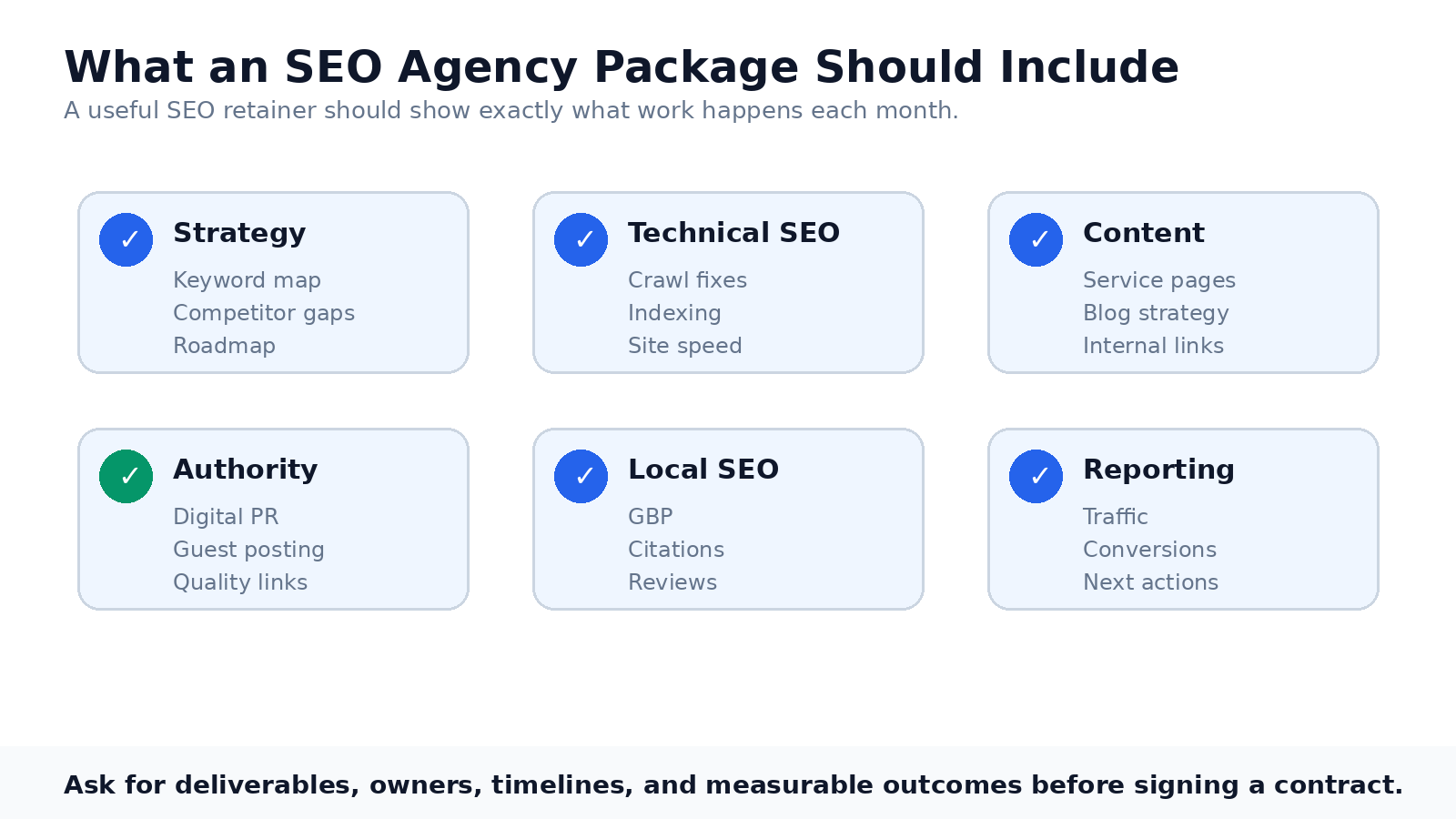
Figure 2: What a complete SEO agency package should include
SEO Agency Pricing by Business Type
| Business Type | Common SEO Budget | What the Budget Usually Covers |
| Small local business | $500-$1,500/month | Google Business Profile optimization, local pages, citation cleanup, basic reporting |
| Growing service business | $1,500-$3,000/month | Keyword research, service-page optimization, content updates, technical checks, reporting |
| Competitive local or regional brand | $3,000-$6,000/month | Content production, competitor tracking, stronger technical SEO, local authority building |
| Ecommerce website | $3,000-$10,000+/month | Category optimization, product SEO, technical audits, content, internal links, schema, reporting |
| SaaS or B2B company | $4,000-$12,000+/month | Content strategy, comparison pages, product-led SEO, link building, conversion tracking |
| Enterprise website | $10,000-$50,000+/month | Large-scale technical SEO, multiple teams, international SEO, governance, advanced reporting |
The more competitive the market, the more a business should expect to pay. SEO for a local cleaning company is very different from SEO for a national insurance brand, finance website, legal firm, hosting company, or ecommerce marketplace.
1. Monthly SEO Retainers
A monthly retainer is the standard SEO agency pricing model. The business pays a fixed fee every month, and the agency handles ongoing strategy and execution. This model is popular because SEO is not a one-time checklist. Search visibility improves through continuous work: fixing technical issues, publishing content, improving existing pages, earning authority, monitoring competitors, and measuring results.
A good retainer should include a monthly plan, clear deliverables, reporting, and a strategy review. It should not be a vague payment for ‘SEO services’ with no explanation. The agency should be able to show what was completed, what changed, which pages improved, which problems remain, and what will happen next.
2. Hourly SEO Consulting
Hourly SEO consulting is useful when a business needs expert advice but does not need a full-service agency. For example, a company may hire an SEO consultant to review a migration plan, diagnose traffic loss, train an internal team, or audit a website. Hourly rates can look expensive, but they can be efficient if the business has developers, writers, or marketers who can implement the recommendations.
Hourly SEO is not always the best choice for businesses that need content creation, technical implementation, and ongoing reporting. In those cases, a retainer or project may be easier to manage.
3. Project-Based SEO
Project-based SEO works when the business has a specific goal. Common projects include technical SEO audits, content audits, keyword research, local SEO setup, website migration support, ecommerce category optimization, and analytics setup. This model is useful when the scope is clear and the business wants a defined deliverable.
The risk with project-based SEO is that recommendations may not be implemented. A $3,000 technical audit is valuable only if the business has the resources to fix the issues. Before ordering an SEO project, ask whether implementation support is included.
4. Performance-Based SEO
Some agencies offer performance-based pricing tied to rankings, leads, traffic, or revenue. This can sound attractive, but it needs careful measurement. Rankings are not fully under the agency’s control, and traffic does not always equal revenue. If a performance contract is used, both sides should agree on attribution, conversion tracking, timelines, and what counts as a qualified result.
Businesses should be cautious with any provider that guarantees number-one rankings. Search engines change, competitors invest, and ranking positions are influenced by many factors. A trustworthy agency can forecast opportunities, but it should not promise absolute ranking outcomes.
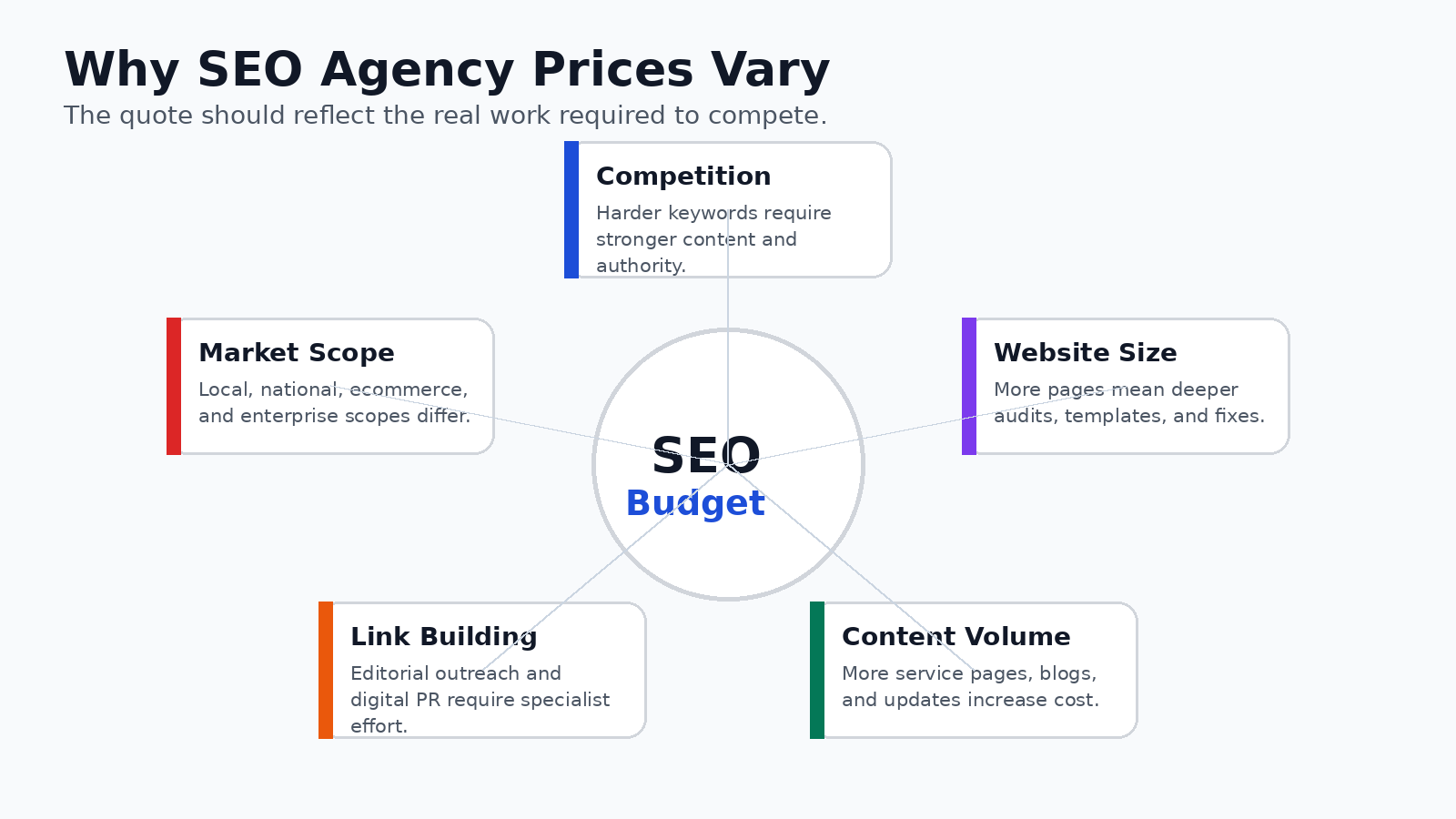
Figure 3: Main factors that affect SEO agency pricing
What Should Be Included in SEO Agency Pricing?
A professional SEO quote should be clear enough for a business owner to understand what they are buying. The package should connect the monthly fee to real work, not just generic promises.
- Initial SEO audit covering crawlability, indexing, site structure, speed, metadata, internal links, and content quality.
- Keyword research and keyword mapping for service pages, blog posts, product pages, category pages, and comparison pages.
- Technical SEO fixes or developer recommendations for broken links, duplicate content, redirects, canonicals, schema, XML sitemaps, and page speed.
- On-page optimization for title tags, meta descriptions, headings, URLs, internal links, image ALT text, and content structure.
- Content strategy and content production based on search intent, competition, topical authority, and business value.
- Local SEO work such as Google Business Profile optimization, location pages, citations, reviews, and local landing pages where relevant.
- Authority building through safe outreach, digital PR, useful resources, guest posting, and naturally earned links.
- Monthly reporting that explains rankings, organic traffic, indexed pages, conversions, content output, technical fixes, and next actions.
What You Should Expect at Different SEO Budgets
| Monthly Budget | Reasonable Expectation | Warning Sign |
| Under $500 | Basic checks, light consulting, or a narrow local task | Claims of full-service SEO, hundreds of links, or guaranteed rankings |
| $500-$1,500 | Basic local SEO, setup, light on-page work, limited content | No reporting, no strategy, or only automated reports |
| $1,500-$3,000 | Solid small-business SEO with audits, optimization, and some content | Unclear deliverables or no prioritization |
| $3,000-$6,000 | Competitive SEO with stronger content, technical work, and strategy | No connection to leads, sales, or business goals |
| $6,000-$10,000+ | Advanced SEO for ecommerce, SaaS, link building, and technical complexity | No dedicated strategist or weak reporting |
| $10,000+ | Enterprise SEO, multiple stakeholders, international or large-scale websites | No governance, roadmap, or accountability |
Why Do SEO Agencies Charge Different Prices?
Competition level
Highly competitive industries need more content, stronger technical foundations, better authority, and deeper competitor analysis. SEO for legal, finance, insurance, real estate, SaaS, hosting, and ecommerce usually costs more than SEO for a low-competition local niche.
Website size and technical condition
A 12-page local website is easier to audit than a 20,000-page ecommerce store. Large websites require more crawling, template analysis, index management, internal linking, and developer coordination.
Content needs
If the campaign requires new landing pages, blog posts, buying guides, product descriptions, comparison pages, or case studies, the monthly cost will increase. Content is one of the biggest SEO investments because it directly supports rankings, trust, and conversions.
Link building and digital PR
Editorial links, guest posts, expert contributions, and digital PR require research, outreach, content creation, and relationship building. Cheap link packages are risky because they often rely on spammy sites or manipulative tactics.
Geographic scope
Local SEO normally costs less than national SEO. International SEO can cost more because it may require multilingual content, hreflang implementation, country targeting, and region-specific keyword research.
Reporting and strategy depth
A low-cost provider may only send automated ranking reports. A stronger agency should explain what changed, why it matters, what was completed, and how SEO connects to leads, sales, or revenue.
Cheap SEO vs Expensive SEO: What Is the Difference?
Cheap SEO is not automatically bad, and expensive SEO is not automatically good. The real question is whether the price matches the work. A skilled freelancer may provide excellent focused SEO support at a modest price, while a large agency may overcharge for generic reports. Businesses should judge the quote by deliverables, strategy, transparency, and fit.
| Cheap SEO May Work When | Cheap SEO Is Risky When |
| Your website is small and competition is low | The provider promises instant rankings |
| You only need setup, audit, or basic local SEO | The plan includes bulk backlinks |
| You understand progress may be slow | The provider cannot explain the strategy |
| A specialist freelancer is handling a clear scope | Reports are vague or missing |
| You have an internal team to implement tasks | The content is duplicate, thin, or AI-spammed |
Red Flags in SEO Agency Pricing
- Guaranteed number-one rankings.
- Promises of instant SEO results.
- Hundreds or thousands of backlinks included in a cheap package.
- No mention of content quality, technical SEO, or search intent.
- No access to Google Search Console, Google Analytics, or transparent reporting.
- No explanation of what will be done each month.
- Overuse of jargon without a clear roadmap.
- Claims that the agency has secret ranking tricks.
- No contract clarity about content ownership, deliverables, or cancellation terms.
How to Choose the Right SEO Agency Budget
The best SEO budget is not the cheapest budget. It is the budget that gives your business enough resources to compete realistically. Start by defining your goal. Do you need more local leads, more ecommerce revenue, more demo requests, more affiliate traffic, or better visibility for branded and non-branded keywords? Your goal determines the scope.
- List your top business goals and the products or services that matter most.
- Identify your main competitors in Google Search, not just your business competitors.
- Ask for a technical review before committing to a long contract.
- Request a clear deliverables list for the first 90 days.
- Ask how content will be created, reviewed, optimized, and updated.
- Confirm how backlinks or digital PR will be handled safely.
- Make sure reporting includes business outcomes, not only rankings.
- Choose the provider that explains tradeoffs clearly, not the one that promises the fastest result.
SEO Agency vs Freelancer vs In-House SEO
| Option | Best For | Pros | Cons |
| SEO agency | Businesses needing strategy plus execution | Team support, scalable services, reporting, multiple specialists | Higher cost and possible long contracts |
| SEO freelancer | Small businesses or focused tasks | Affordable, flexible, direct communication | Limited capacity and fewer specialties |
| SEO consultant | Businesses with internal teams | Senior strategy, audits, training, diagnosis | May not handle execution |
| In-house SEO | Companies where organic search is a core channel | Dedicated focus, brand knowledge, faster internal coordination | Salary, tools, training, and possible skill gaps |
Best Budget Recommendation for Most Businesses
For many small and mid-sized businesses, a realistic starting point is $1,500-$3,000 per month. This budget can support meaningful SEO work if the market is not extremely competitive and the scope is focused. For ecommerce, SaaS, competitive local services, finance, legal, healthcare, hosting, or national SEO, a more realistic budget may be $3,000-$10,000+ per month.
If your budget is below $1,000 per month, start with a one-time SEO audit, Google Search Console setup, analytics review, technical cleanup, and a content roadmap. That approach is usually better than paying for a vague low-cost monthly package that does not move the business forward.
Recommended Internal Links for CBOOMARANK
- SEO Pricing Guide – Suggested contextual internal link for related SEO education and conversion-focused content.
- What Are Backlinks and Why They Matter for SEO – Suggested contextual internal link for related SEO education and conversion-focused content.
- How to Build High-Quality Backlinks in 2026 – Suggested contextual internal link for related SEO education and conversion-focused content.
- Guest Posting Guide: Earn Links the Right Way – Suggested contextual internal link for related SEO education and conversion-focused content.
- Best Free SEO Tools for Beginners – Suggested contextual internal link for related SEO education and conversion-focused content.
- Semrush vs Ahrefs – Suggested contextual internal link for related SEO education and conversion-focused content.
- CBOOMARANK Blog – Suggested contextual internal link for related SEO education and conversion-focused content.
External Authoritative References
- WebFX SEO Pricing Guide – Reference for pricing context, SEO fundamentals, or safe search practices.
- Ahrefs SEO Pricing Survey – Reference for pricing context, SEO fundamentals, or safe search practices.
- OuterBox 2026 SEO Pricing Guide – Reference for pricing context, SEO fundamentals, or safe search practices.
- Google SEO Starter Guide – Reference for pricing context, SEO fundamentals, or safe search practices.
- Google Search Spam Policies – Reference for pricing context, SEO fundamentals, or safe search practices.
- Google Guidance on Qualifying Outbound Links – Reference for pricing context, SEO fundamentals, or safe search practices.
FAQ: How Much Do SEO Agencies Charge?
How much do SEO agencies charge per month?
Many SEO agencies charge somewhere between $1,000 and $5,000 per month for small to mid-sized campaigns. Competitive, ecommerce, SaaS, and enterprise SEO campaigns often cost more.
Is $500 per month enough for SEO?
It may be enough for a basic local SEO task or light consulting, but it is usually not enough for competitive SEO, content production, technical implementation, and quality authority building.
Why do SEO agencies charge so much?
SEO can require technical expertise, content strategy, writing, analytics, outreach, reporting, and ongoing optimization. The more competitive the market, the more resources are needed.
Should I pay monthly or project-based?
Use monthly SEO when you need ongoing growth. Use project-based SEO when you need a specific audit, migration, setup, keyword research project, or technical cleanup.
Can an SEO agency guarantee rankings?
A responsible agency should not guarantee a specific number-one ranking. SEO outcomes depend on search engine changes, competition, content, links, technical quality, and user behavior.
How long does SEO take to work?
Some fixes can show improvement quickly, but meaningful SEO growth usually takes several months. Competitive campaigns often require 6-12 months of consistent work.
What should be included in an SEO package?
A good package should include strategy, audits, keyword research, technical recommendations, on-page optimization, content work, internal links, reporting, and clear next steps.
How do I know if an SEO quote is fair?
A fair quote explains the scope, deliverables, timeline, reporting, ownership, and expected outcomes. Avoid vague packages that hide the actual work.
Final Verdict
SEO agency pricing depends on scope, competition, website size, content needs, technical complexity, and the level of execution required. For most small and mid-sized businesses, $1,500-$5,000 per month is a practical planning range. For competitive ecommerce, SaaS, national, or enterprise campaigns, the budget often needs to be higher.
The best agency is not always the cheapest or the most expensive. The best choice is the provider that understands your market, explains the strategy clearly, sets realistic expectations, reports transparently, and connects SEO work to business results.